
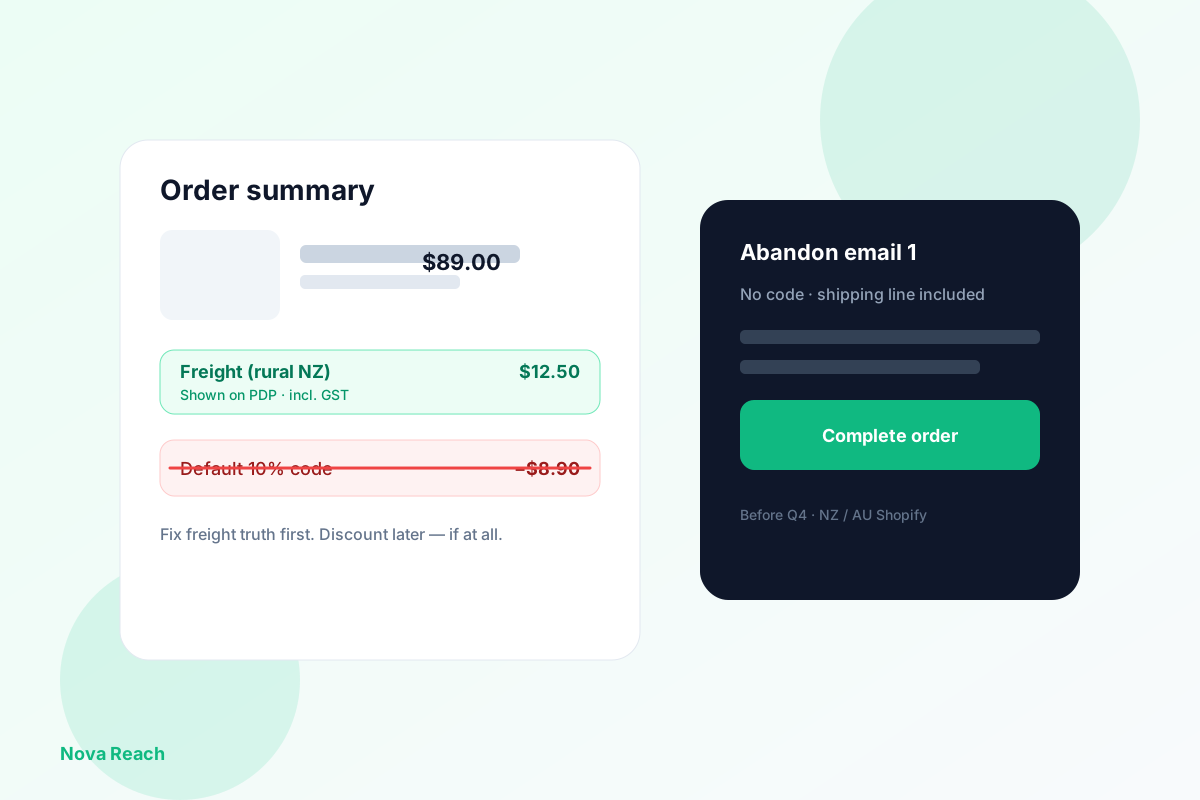
If you run a Shopify store in New Zealand or Australia, September is when you should fix abandon-cart recovery. Not November, when paid is expensive and every competitor is blasting the same 15% code.
Most NZ/AU stores don't have a “Klaviyo problem.” They have a truth problem. The customer sees a clean product price on the PDP, hits checkout, then meets freight, GST, or a rural surcharge for the first time. They leave. Your flow sends a coupon. You trained them to wait for the discount, and you still didn't explain the real total.
I work across ecommerce marketing from Christchurch: SEO, Google Ads, Meta, CRO and Klaviyo. This is the abandon-cart pass I run before Q4 retainers get serious.
What the numbers usually say
Open Klaviyo (or your ESP) and Shopify checkout analytics side by side. Look for three tells:
- Checkout starts are healthy, but payment step drops when shipping rates appear.
- Abandon-cart email 1 recovers a few low-AOV carts. Email 2 only moves when a code is attached.
- Recovered orders still sit below your non-discounted AOV. You bought the sale back.
Better email creative won't fix that pattern. The store isn't upfront about the total cost, and email is papering over it.
💡 Pro Tip
Before you rewrite subject lines, pull 20 abandoned checkouts from last month. Note whether freight/GST was visible on the PDP or collection. If it wasn't, your flow is arguing with a surprise, not a preference.
Fix the storefront before you touch the flow
1. Put delivery truth above the fold on money pages. Rural NZ, AU interstate, Click & Collect, free-shipping threshold. Say it on the PDP and the main collection, not only in checkout. A customer who already knows the freight is less likely to abandon at the rate screen.
2. Stop hiding GST as a gotcha. If your prices exclude tax until payment, say that early. If they include GST, say that too. Surprise tax is a trust leak. Surprise tax plus a 10% code is a margin leak.
3. Kill one optional checkout field. Company name, second phone, “how did you hear about us”. Each one is friction you don't need before Q4 volume. I've written about checkout UX before. This is the same rule, applied to abandon recovery.
Rewrite the abandon flow without a blanket discount
Email 1 (30–60 minutes): Plain reminder. Product, size/variant, and the shipping line they would have seen. No code. If freights starts from $X or free over $Y, put that in the body. Social proof only if it's specific (review on that SKU), not a generic star row.
Email 2 (next day): Still no automatic 10%. Offer help: Click & Collect, rural options, payment methods (Afterpay/Zip where you actually support them). Urgency only if inventory is real.
Discount, if any: Gate it. High-intent carts (viewed shipping, payment method started) get service copy. Low-intent window shoppers can get a time-boxed offer. The whole list doesn't need one. Defaulting every abandon to a code trains your best customers to wait.
💡 Pro Tip
Run email 1 without a discount for two weeks in September. Compare recovery rate and contribution margin vs the coded version. Most stores overestimate how much of the recovery “needs” the code.
Wire paid and email so Q4 doesn't double-pay
If Meta or Google is sending cold traffic to PDPs that hide freight, you're buying abandons on purpose. Match landing pages to the promise in the ad. Exclude recent purchasers and active abandoners from prospecting where the pixel allows. Let Klaviyo own the cart. Don't blast the same people a Meta retargeting carousel and a 15% email in the same hour.
Tracking check before you scale: Shopify, GA4, Ads, and Klaviyo should agree on a purchase. If they don't, stop optimising flows on a lie.
A September checklist (do this before Black Friday creative)
- PDP and top collections show freight threshold / GST stance in plain language.
- Abandon email 1 states the real shipping cost, with no code by default.
- Discount only on a segment or email 2+, with an expiry.
- One checkout field removed, and payment icons match what you actually offer.
- Paid landing pages match the same delivery story as the flow.
- Baseline recovery rate and margin for two weeks, then decide if the code ever comes back.
None of this needs a new ESP. It needs honesty on the storefront and a flow that doesn't bribe every hesitant cart.
If you want a second set of eyes on the live store, the abandon flow, and whether a discount is actually earning its keep, request a free store audit. I look at the checkout and the first two emails myself and tell you what I’d change before Q4 spend ramps.
Fix abandon recovery in September, before Black Friday makes every discount more expensive.
Send the store URL. I’ll reply within one business day (Christchurch time) with the three things I’d check first on checkout and your abandon flow.
Get a free store audit